
Time to talk, every day: Coming to terms with EBSA
Time to Talk Day is a useful moment in the calendar. It prompts national conversations about mental health, encourages openness and reminds us that talking matters. At Dorset Wellbeing, the underlying idea runs through our work every day, particularly in how we support young people experiencing Emotionally Based School Avoidance (EBSA).
EBSA is often misunderstood. From the outside, it can look like reluctance, defiance or disengagement from education. For many young people, the reality is far more complex. Anxiety, low mood, overwhelm or sensory stress can build gradually, sometimes without clear warning signs. Young people may not have the language to explain what they are feeling, or even recognise it as anxiety at all. They simply know that attending school feels unbearable.
In these situations, talking is rarely straightforward. Asking a young person to “open up” or explain what is wrong can add pressure rather than relieve it. This is why time, space and patience matter. At Dorset Wellbeing, conversations are not forced or scheduled around outcomes. Instead, they are allowed to emerge at a pace that feels safe for the individual.
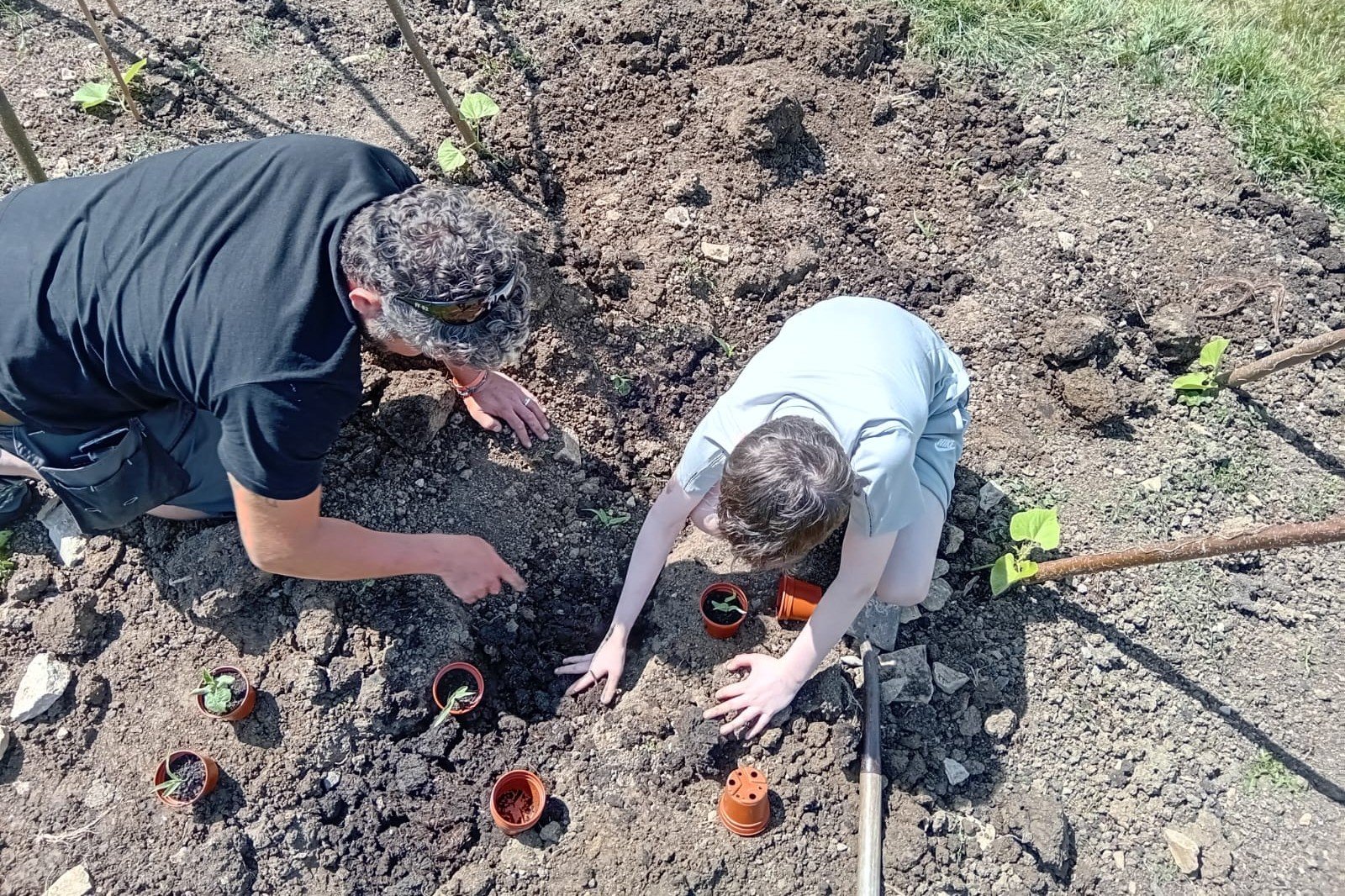
For some young people, this happens while working alongside a mentor, focusing on a practical task or simply being present together without expectation. For others, it might come through our in-house counselling support, offered face to face or by phone, depending on what feels most comfortable. The important thing is that there is room for silence, uncertainty and half-formed thoughts.


Often, the most honest conversations happen in unexpected places. Pick-ups and drop-offs, which are part of our daily provision, regularly become moments where young people begin to talk more freely. Sitting side by side in the car removes the intensity of eye contact and formal conversation. There is a sense of transition at the start and end of the day that can make it easier to reflect, mention a worry or ask a question that has been sitting quietly in the background.
These small, informal moments are particularly important for young people experiencing EBSA. Anxiety does not always present as distress. It can show up as tiredness, irritability, avoidance or complete withdrawal. Without space to talk, these signs can be missed or misunderstood. With space, they can gradually be explored, named and have some of the fear removed.
Time to Talk Day reminds us that talking about mental health should be normalised. For the young people we support, that normalisation happens through consistency rather than campaigns. It happens by showing up each day, listening without rushing and accepting that progress may be slow and uneven.
Talking, for many young people with EBSA, is not a single conversation. It is a process that unfolds over time, built on trust, routine and the knowledge that someone is there to listen when they are ready.
This reflection has been informed by a recent session delivered by Dr Laura Bennett of Oasis Psychology, who provides regular supervision and case formulation to our management team, and professional development sessions for our mentors.