Dyslexia and literacy support at Dorset Wellbeing
Reading the world around us
For many children and adults, the ability to read and write with ease is something that is quietly assumed, not least because such skills provide the vital foundations for all further education. But at Dorset Wellbeing, we regularly meet children and young adults for whom this is not the case.
Understanding the hidden barriers
Some of the young people who come to us face significant challenges with literacy. These difficulties are often not the result of any one cause, but rather a complex mix of interrupted education, unsettled early years, undiagnosed learning needs, or simply never having had the right support at the right time. Long periods out of school, or frequent changes in educational setting, can compound these difficulties. In some cases, an inability to engage with formal education over many years has meant that even basic reading and writing tasks feel out of reach.
Technological disadvantages
The widespread prevalence of smartphone tools has made it easier for young people to disguise the fact that they are struggling with traditional literacy, delaying the chance for real help to begin. Voice-to-text messaging, screen readers and translation apps can give the impression of fluency even where reading or spelling skills are limited.
Building trust, not shame
Literacy difficulties often come with a heavy burden of shame. Young people may go to great lengths to hide their challenges, fearing embarrassment or ridicule. At Dorset Wellbeing, we aim to break this pattern. Our mentors work to build honest, trusting relationships where participants can speak freely – not just about the things they enjoy, but about the areas they find hard.
When a young person begins to talk openly about their struggles with reading or writing, it’s a huge moment – not because of what it says about their current ability, but because of what it makes possible. Once acknowledged, these difficulties can be supported. Progress can be slow, but it is real and life changing.
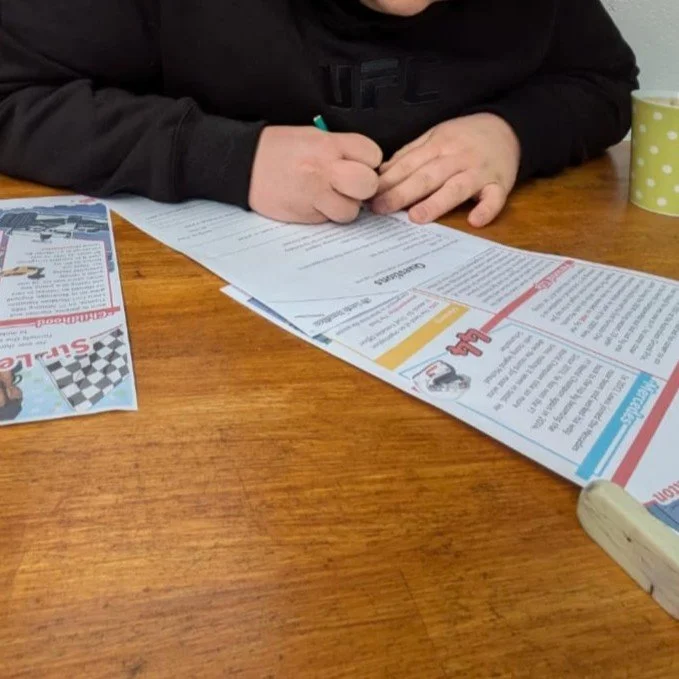
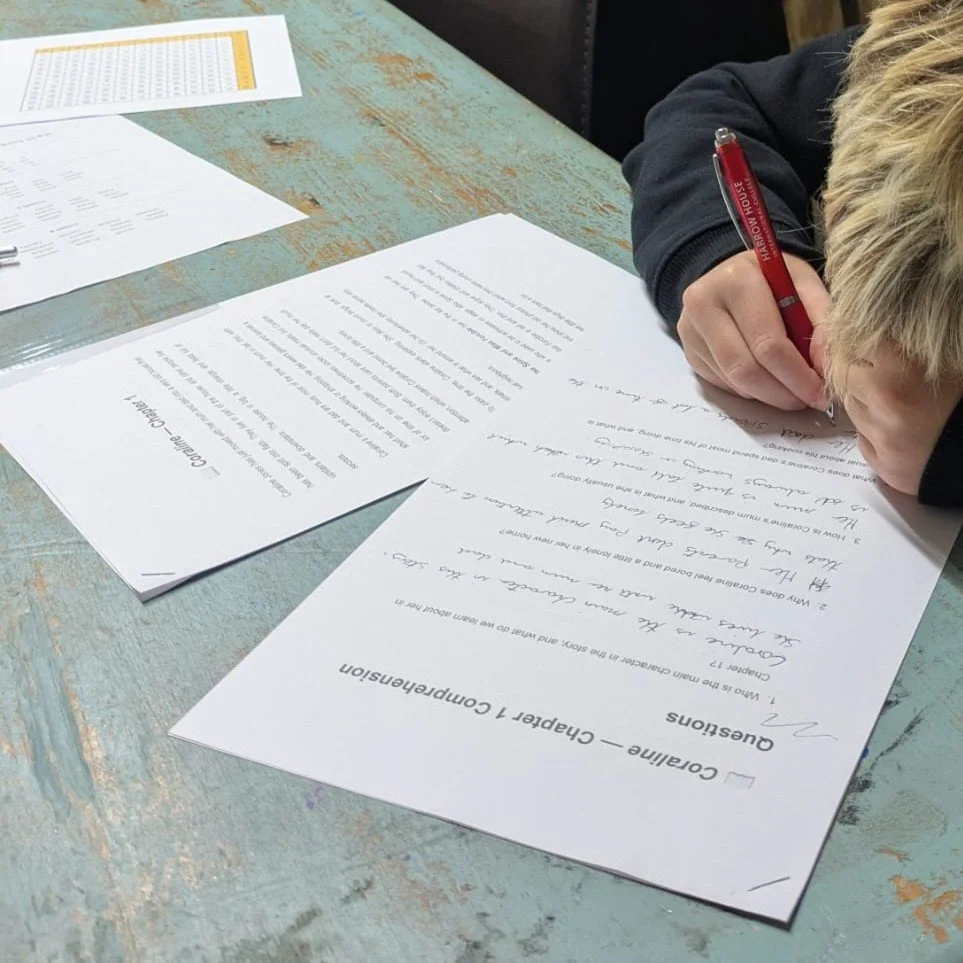
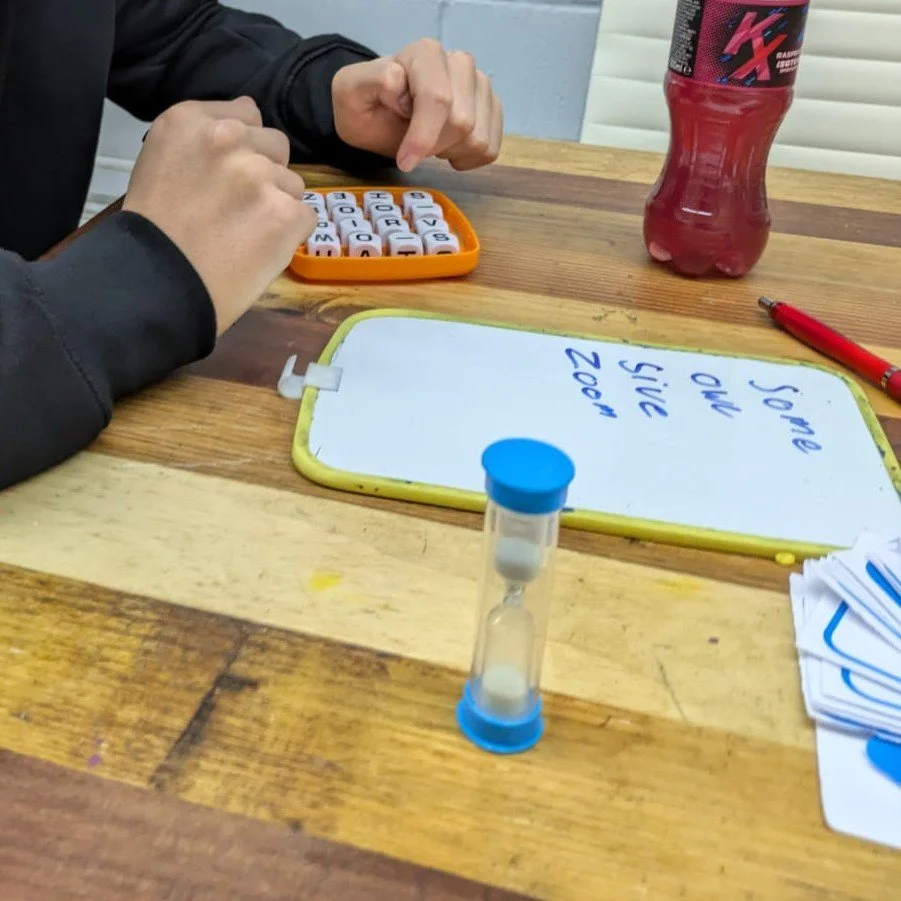
Some of our proudest moments have come when a young person begins to engage with reading and writing in ways they never thought possible. We’ve seen participants apply for jobs they once dismissed out of hand, write their first ever email, or complete the written components of a vocational course with confidence. These are not small wins, they are signs that a door has been reopened.
We believe that everyone deserves the chance to 'read the world' – to understand the signs around them, to make sense of official forms, to enjoy a story or write a note to a friend. Literacy goes beyond understanding letters on a page. It is a path to agency, confidence and connection.
Literacy support at Dorset Wellbeing
The way literacy is taught today is different from a generation ago. There is now a stronger focus on phonics – understanding how sounds and letters work together – and more explicit teaching of spelling and grammar rules.
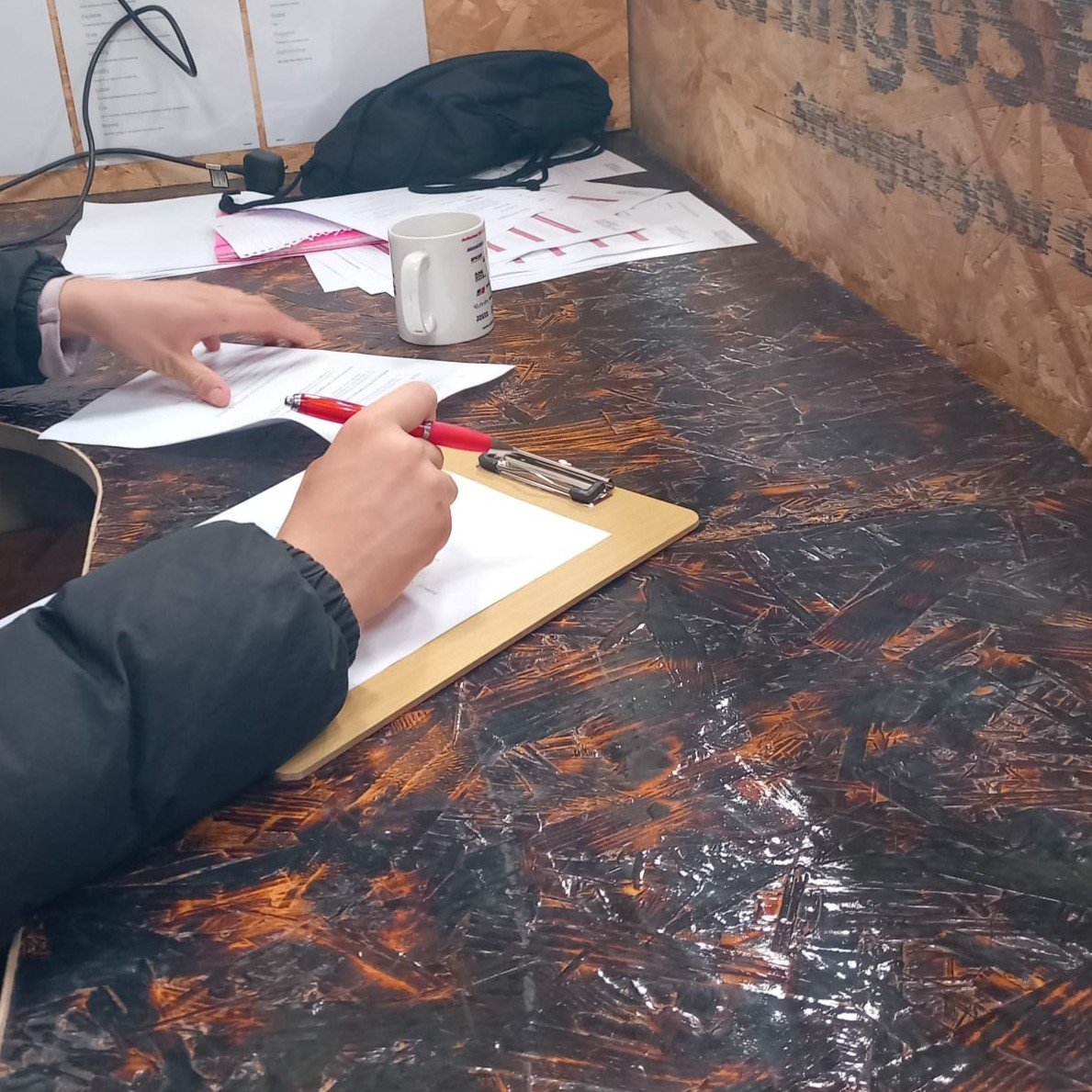
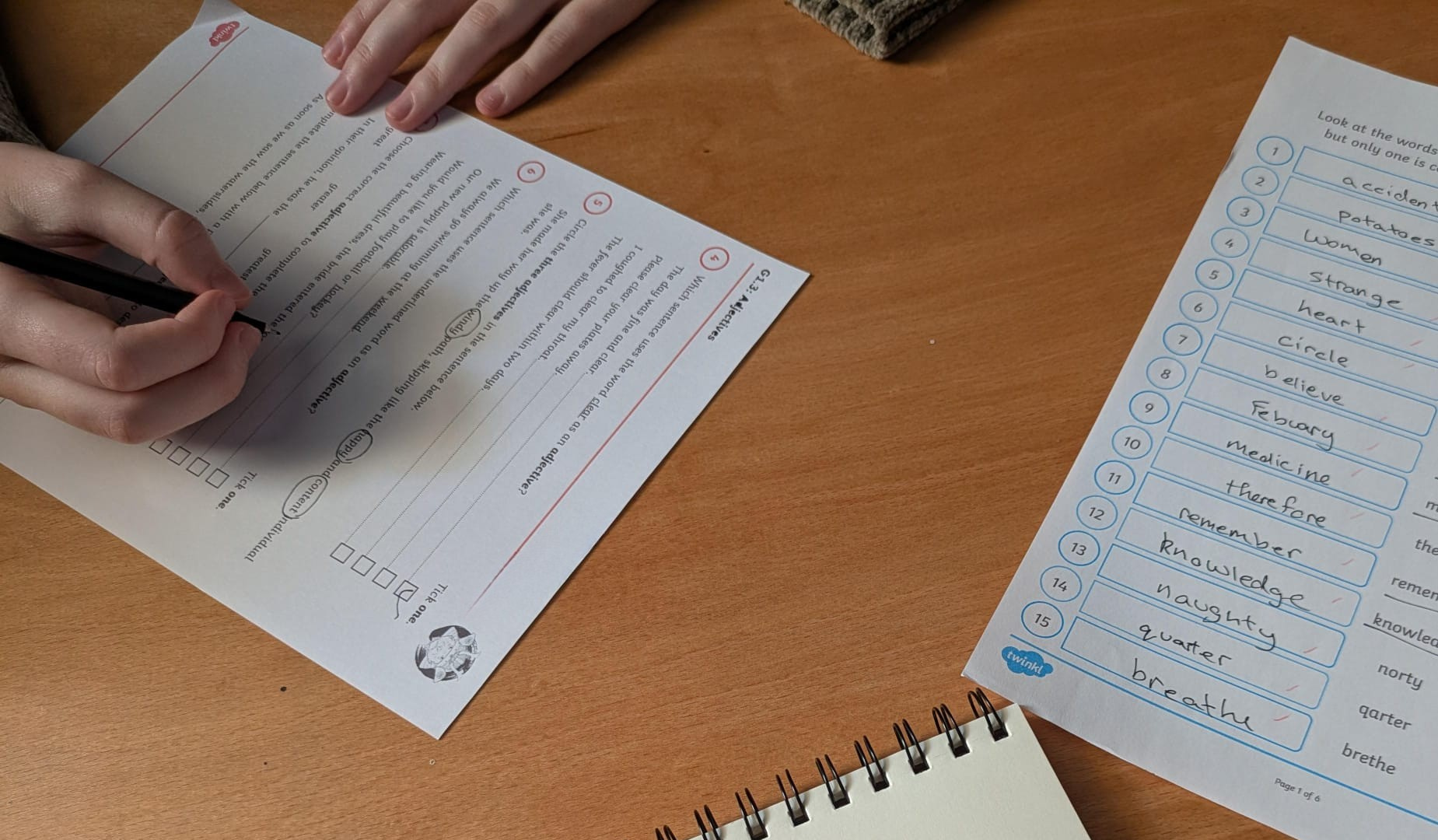
As a part of our provision, Dorset Wellbeing offers regular one-to-one dyslexia tuition and literacy sessions with a qualified practitioner, who is able to identify the level of support required by each young person and then deliver appropriate tuition. These are held in the course of a normal day for our attending young people, to help maintain focus and avoid any unhelpful associations with conventional education.
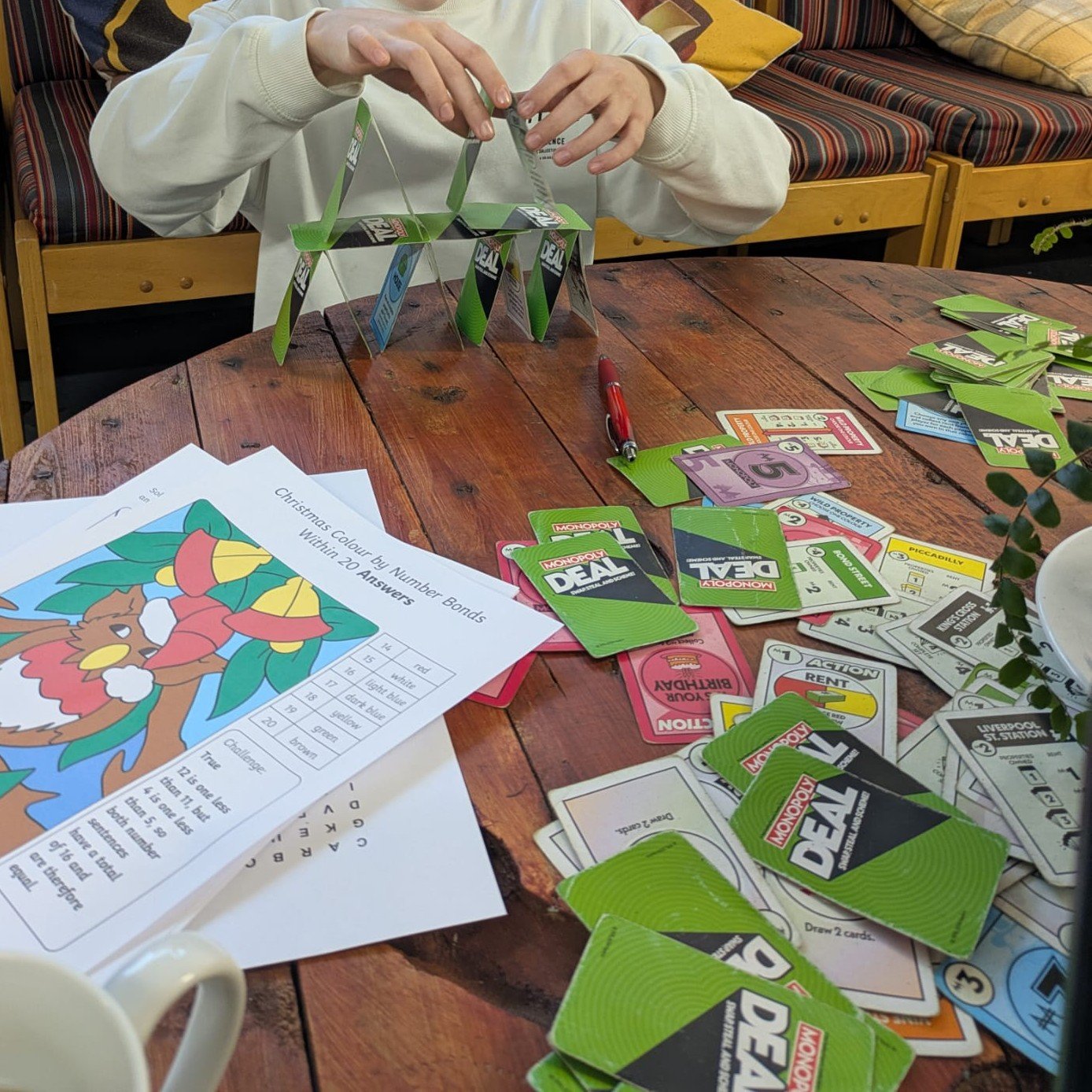
When their confidence starts to build, mentors can integrate their newfound skills into every aspect of their provision. Whether it’s reading instructions for a new tool, helping to label produce at one of our farm sites, or writing a short reflection in a journal, we create opportunities for literacy to develop naturally and without pressure.